

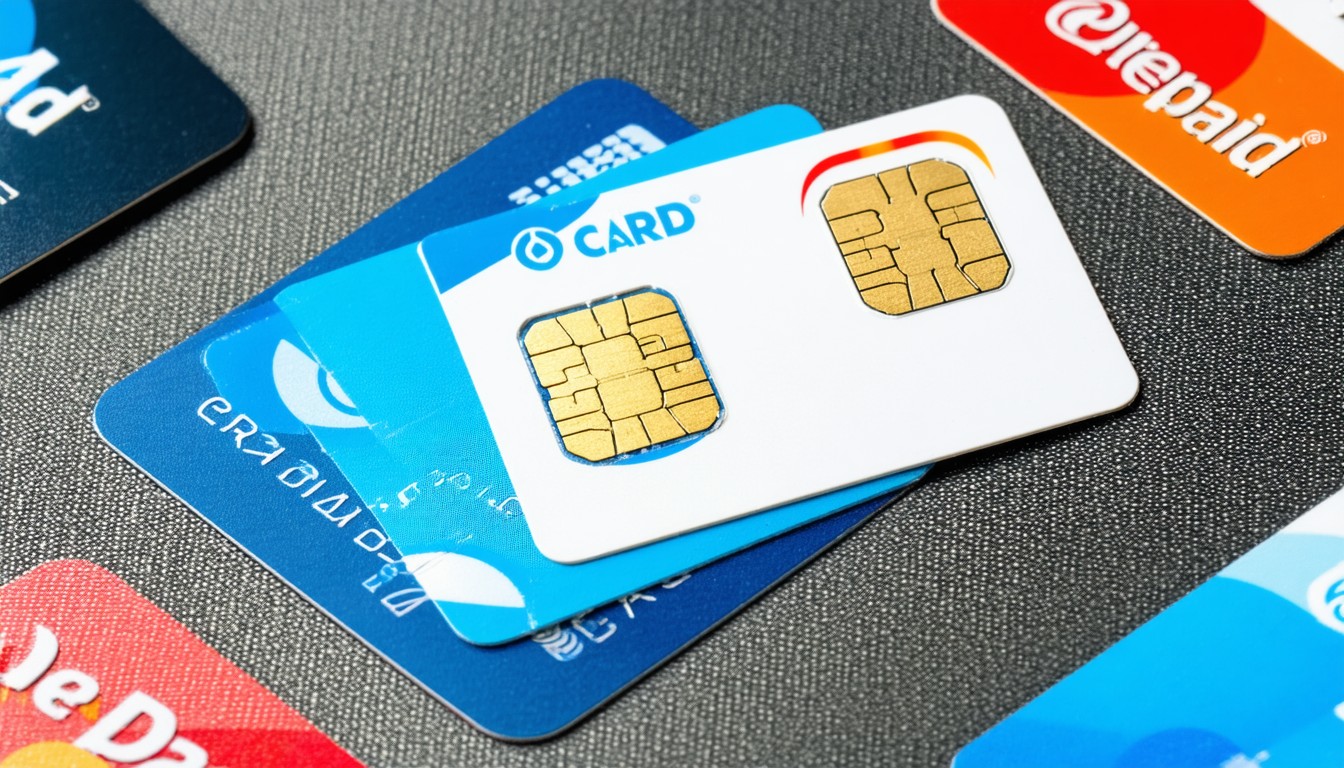
A prepaid SIM card is a small chip that allows a mobile device—such as a smartphone, tablet, or even some wearables—to connect to a mobile network. Unlike traditional “postpaid” plans, where users are billed at the end of each month for services used, prepaid SIM cards require users to pay in advance for a bundle of talk time, texts, and mobile data. This distinction offers unique flexibility, control, and cost transparency, making prepaid SIMs an essential solution for millions of users worldwide.
As the global demand for affordable, commitment-free mobile connectivity grows, prepaid SIM cards have taken center stage in both developed and emerging markets. Whether you’re a traveler seeking local data abroad, a budget-conscious user avoiding surprise fees, or someone without a fixed address or credit history, prepaid SIMs offer an accessible entry point to mobile communication.
How Prepaid SIM Cards Work
Prepaid SIM cards are not tied to long-term contracts or credit checks. Instead, users purchase a SIM card from their chosen mobile provider—often available in airports, convenience stores, and online shops. Once inserted into a compatible phone and activated, the SIM allows access to the network until the prepaid balance or plan expires.
The Recharge Process
- Topping Up: Funds are added by purchasing physical vouchers, using mobile apps, or buying online credit.
- Validity Periods: Credit often comes with an expiration date. Users must recharge to maintain service.
- Choosing Plans: Prepaid options range from pay-as-you-go (charged only for actual usage) to bundled plans (set amount of data, minutes, and texts).
These features empower users to only pay for what they actually need, with the ability to switch providers or plans as desired—usually without fees or complex procedures.
Activation and Usage in Practice
Setting up a prepaid SIM typically involves a few straightforward steps:
- Purchase a SIM card, ensuring it matches the device’s size requirements (standard, micro, nano).
- Complete activation, which may require submitting identification, depending on national regulations.
- Insert the SIM and follow setup instructions (such as entering a PIN or configuring network settings).
- Recharge to access calls, texts, or data.
Beyond standard phones, prepaid SIMs can also power portable Wi-Fi hotspots for sharing connectivity across multiple devices.
Key Benefits of Prepaid SIM Cards
The enduring popularity of prepaid SIM cards stems from several core advantages:
Financial Control and No Surprises
Unlike postpaid contracts, prepaid users can’t accidentally incur significant overage charges or hidden fees. Once the balance is spent, service halts until more credit is added. This model has significant appeal among students, travelers, families managing mobile costs for children, and those working to improve their financial literacy.
Flexibility for Travelers and Expats
International travelers often find mutual benefit in local prepaid SIMs. Instead of using the home carrier’s expensive roaming charges, tourists can purchase a prepaid SIM upon arrival to access local rates—an option frequently promoted at airports and travel kiosks. Digital nomads and expatriates also use prepaid SIMs to maintain local numbers and avoid long-term contracts in new countries.
“Prepaid SIM cards are a vital tool for global connectivity. They provide seamless, short-term access to local networks—crucial for travelers, international students, and remote workers,” says Sandra Lee, telecom analyst at Mobile Industry Watch.
Empowering the Unbanked and Underbanked
Many consumers lack the formal credit histories or stable employment required for monthly postpaid plans. Prepaid options enable access regardless of financial background or citizenship status. In emerging markets, prepaid penetration can surpass 70%, fueling digital inclusion for millions.
No Commitment and Easy Switching
Prepaid SIMs make switching between networks or plans as simple as swapping a small piece of plastic. Users can take advantage of special deals, adjust to changing data needs, or respond to poor coverage—without penalty.
Common Use Cases: Who Prefers Prepaid SIMs?
Prepaid SIM cards serve a diverse user base, including:
- Tourists staying only a few days or weeks in a country
- Students moving between cities or countries for education
- Seasonal workers or those with temporary employment
- Budget-conscious families wanting predictable spending
- People without long-term residency or formal addresses
- Businesses equipping field staff with basic connectivity
The rapid growth of eSIM technology, which allows digital downloads of SIM profiles, is also expanding the appeal of prepaid. New services let users activate local numbers without ever visiting a store.
Potential Drawbacks to Consider
Despite clear benefits, prepaid SIM cards are not hassle-free for everyone:
- Higher Data Costs: Per-gigabyte rates can be higher than postpaid plans with contract commitments.
- Limited Credit Validity: Allowances may expire if not used within the designated period.
- Complex Recharges Abroad: Travelers outside urban areas or without digital payment options can face difficulties topping up.
- Fewer Premium Features: Some postpaid perks—such as device financing, bundled streaming subscriptions, or premium support—may be missing.
For heavy data users who value convenience, robust postpaid plans might offer better overall value. However, for those seeking maximum control or short-term access, prepaid SIMs remain unmatched.
Real-World Trends and Market Evolution
Globally, prepaid SIM cards account for a major share of mobile subscriptions, especially in parts of Asia, Africa, and Latin America. As digital literacy increases and regulatory environments evolve (e.g., requirements for SIM registration or ID verification), prepaid offerings have adapted with more transparent pricing and online management tools.
Digital-first telecom startups—such as Mint Mobile in the U.S., Giffgaff in the UK, and Reliance Jio in India—have built large followings by emphasizing prepaid value, flexibility, and community-driven service models. Their rapid growth illustrates broader consumer priorities: autonomy, affordability, and digital convenience.
Summary and Strategic Recommendations
Prepaid SIM cards have carved out a vital space in the global mobile landscape by prioritizing user control, financial transparency, and ease of access. They enable communication for travelers, underserved communities, digital nomads, and anyone who values flexibility over long-term commitment.
For consumers, comparing prepaid plans can help balance data needs with budget constraints. For businesses, enabling staff with prepaid SIMs can streamline short-term projects and remote operations. As the industry continues to digitize—accelerated by eSIM and app-based management—the core values of the prepaid model remain relevant: convenience, choice, and independence.
FAQs
What is the main difference between a prepaid SIM card and a contract SIM card?
A prepaid SIM card requires users to pay upfront for service, while a contract (postpaid) SIM is billed monthly after usage, often with a long-term agreement. Prepaid offers more flexibility and no risk of surprise bills.
How do I activate a prepaid SIM card?
Activation usually involves inserting the SIM into your device and following the instructions provided, which might include online registration or entering a provided PIN. Some countries require proof of identity during activation.
Can I use a prepaid SIM card in any phone?
Most unlocked phones can use prepaid SIM cards as long as the device supports the appropriate network technology (GSM, LTE, etc.). Carrier-locked devices may restrict the use of third-party SIMs.
Is a prepaid SIM card better for international travel?
Prepaid SIM cards are often ideal for travelers, allowing access to local rates without expensive roaming fees. Buying a local SIM upon arrival usually provides affordable data and calls during your stay.
Do prepaid SIM cards expire?
Yes, most prepaid SIM cards have an expiration date for credit or inactivity, commonly ranging from a few weeks to several months. Regular use or top-ups can usually extend validity.
Are there disadvantages to using prepaid SIM cards?
Potential drawbacks include higher costs per gigabyte, limited premium features, and the need to monitor credit or data balance. For some users, postpaid plans with bundled services may offer more value.












Leave a comment