

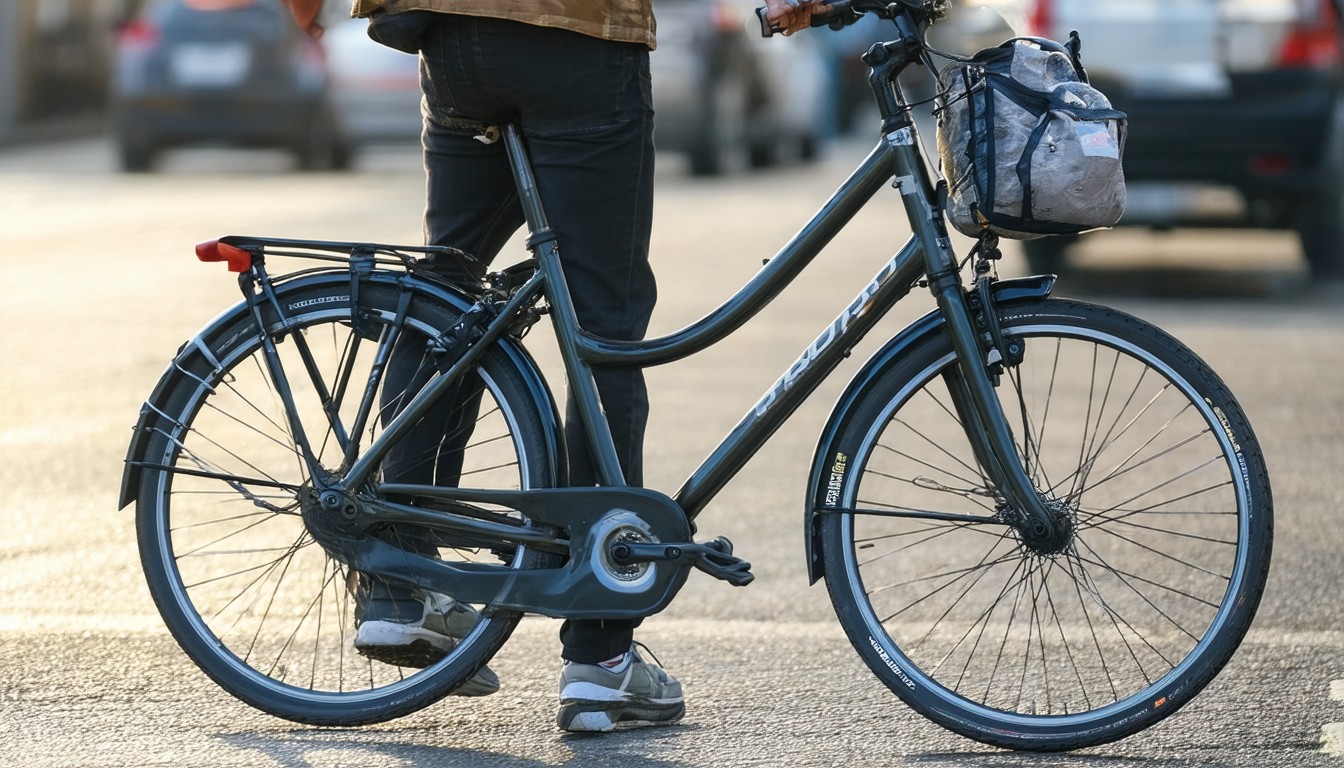
Discover what a commuter bike is, its essential features, and the benefits it offers for daily travel. Learn how commuter bicycles differ from other types, and why they’re favored by urban riders and workplace cyclists.
Understanding Commuter Bikes: Purpose and Practicality
Bicycles have evolved far beyond simple leisure machines. In bustling cities, bikes have become lifelines for millions heading to work, school, or errands. But not all bicycles are ideal for everyday transit. This is where the commuter bike stands out—a class of cycle engineered for reliability, comfort, and the unique demands of day-to-day urban and suburban travel.
Commuter bikes fill the niche between speedy road bikes and rugged mountain bikes, offering a practical blend of features. As environmental awareness grows and cities invest in cycling infrastructure, commuter bikes are often the preferred choice for those seeking an efficient, healthy, and earth-friendly alternative to car commutes.
What Is a Commuter Bike?
A commuter bike is designed specifically for regular, relatively short-distance rides through cities or towns—ultimately to get riders from point A to point B efficiently, comfortably, and with minimal fuss. Commuter bicycles typically emphasize durability, ease of maintenance, and adaptations for carrying daily gear, making them distinct from recreational or performance-oriented bikes.
Key Characteristics of a Commuter Bike
- Comfortable Geometry: Commuter bikes usually have a more upright geometry, reducing strain on the neck and back during longer rides or stop-and-go traffic.
- Sturdy Frames: Built with robust steel, aluminum, or sometimes chromoly frames to withstand potholes, curbs, and regular locking.
- Commuter Accessories: Built-in mounts or standard inclusion of racks, fenders, and sometimes integrated lights. These features are vital for carrying bags and staying clean and visible in all weather.
- Reliable Drivetrains: Simpler gearing compared to performance bikes, emphasizing reliability and low maintenance—a boon for daily riders facing variable weather and road conditions.
- Wider Tires: Most models use tires that are wider and puncture-resistant, offering better grip, comfort, and flat protection over rough pavement and occasional gravel paths.
How Commuter Bikes Differ from Other Bicycle Types
While some newcomers might confuse commuter bikes with hybrids or city bikes, several distinctions set them apart.
Comparison to Road and Hybrid Bikes
- Road bikes are designed for speed and long distances, featuring lightweight frames, thin tires, and aggressive riding positions. They may not be comfortable for upright city riding or practical for carrying loads.
- Hybrid bikes provide a blend of mountain and road bike features, sometimes serving as commuter bikes themselves. However, not all hybrids include the full suite of commuter-ready accessories such as racks and integrated lighting.
The Role of E-Bikes in Contemporary Commuting
In recent years, electric commuter bikes have seen double-digit growth, especially in dense urban centers. E-commuters combine traditional frame styles with electric assist, making longer commutes or hilly terrains far more accessible without requiring specialist athletic ability.
“The rise of e-commuter bikes is changing urban mobility, allowing more people to swap car commutes for sustainable, active travel,” says Nina Santos, an urban mobility researcher.
For many riders, the availability of both classic and electric commuter bikes means even more options tailored to distance, topography, and fitness levels.
Must-Have Features in a Quality Commuter Bike
Selecting the right commuter bike involves considering your specific travel needs and local conditions. Below are the features most frequently prioritized by regular commuters:
Frame Material and Durability
Steel frames, long favored for their resilience and comfortable ride quality, remain popular. However, aluminum offers a lighter-weight option that resists rust—valuable in wet climates.
Gearing and Brakes
- Simple drivetrains with 1x or 2x setups (one or two chainrings up front) reduce maintenance.
- Disc brakes—either mechanical or hydraulic—are now common for reliable stopping power in the rain or crowded city streets.
Weather Protection
- Full fenders protect clothes and legs from mud or rain splatter.
- Chain guards help keep trousers grease-free—a small touch with big impact for office commuters.
Integrated Storage and Lighting
Commuter bikes frequently feature rear racks, pannier mounts, and integrated front and rear lights. For riders who need to transport laptops, groceries, or gym gear, these features are crucial.
Security Features
Given the risk of theft in dense urban areas, many commuter bikes offer built-in wheel locks or mounts for high-security U-locks.
Benefits of Commuter Bikes: Why They’re the Smart Choice
Beyond comfort and practicality, commuter bikes contribute to individual health and community welfare.
Health and Wellbeing
Biking to work, even for just a few miles, integrates cardiovascular activity into daily routines. Various studies have linked active commuting to reduced stress levels and lower risk of chronic conditions.
Environmental Impact
Bike commuting is among the most sustainable travel choices. Replacing car trips with bike rides meaningfully reduces traffic congestion, air pollution, and carbon emissions.
Economic Advantages
While the upfront investment in a quality commuter bicycle (often recouped within months) can be significant, ongoing costs are low. There are no fuel or parking expenses, and regular maintenance is both affordable and infrequent compared to car servicing.
Real-World Example: The Copenhagen Model
Copenhagen’s reputation as a cycling city is built on high commuter bike usage. With more than half of residents cycling to work or school, the Danish capital serves as a model of how investing in the right infrastructure—and the right type of bike—can transform urban life.
Choosing the Right Commuter Bike: Practical Steps
Begin by mapping your daily route—distance, terrain, and available bike lanes inform decisions on gearing and tire choice. Test rides are invaluable for finding the right fit and comfort level. Local bike shops are excellent resources for advice, after-sales service, and support.
For those cycling in wet, hilly, or heavily trafficked environments, prioritize weatherproofing and strong brakes. Urban dwellers should pay special attention to lock compatibility and theft-resistant design elements.
Conclusion
Commuter bikes have become vital allies in modern urban life, blending utility with health, sustainability, and cost savings. By understanding their core features and real-world benefits, today’s riders can confidently choose models that fit daily routines and personal preferences. As more cities promote cycling for a cleaner, more active future, commuter bicycles are set to play an even greater role in transportation networks worldwide.
FAQs
What defines a commuter bike?
A commuter bike is designed for daily city or town travel, emphasizing comfort, reliability, and practical features like racks and fenders to support everyday commuting needs.
How is a commuter bike different from a road bike?
Unlike road bikes, which focus on speed and minimalism, commuter bikes feature upright geometry, sturdy frames, and accessories designed for carrying loads and riding in varied weather.
Do commuter bikes work for long distances?
While they are optimized for moderate daily rides, many commuter bikes can handle longer distances comfortably, especially models with multiple gears or electric assist.
Are electric bikes considered commuter bikes?
Yes, many electric bikes are purpose-built for commuting, offering pedal assistance to make longer or hillier journeys more accessible for everyday riders.
What accessories are recommended for commuter bikes?
Key accessories include fenders, racks or panniers, integrated lights, bell, lock, and sometimes chain guards—all aimed at enhancing safety and utility in urban settings.
Is a hybrid bike the same as a commuter bike?
Hybrids and commuter bikes often overlap, but commuter models generally include more built-in features specifically for city travel and everyday use.












Leave a comment