

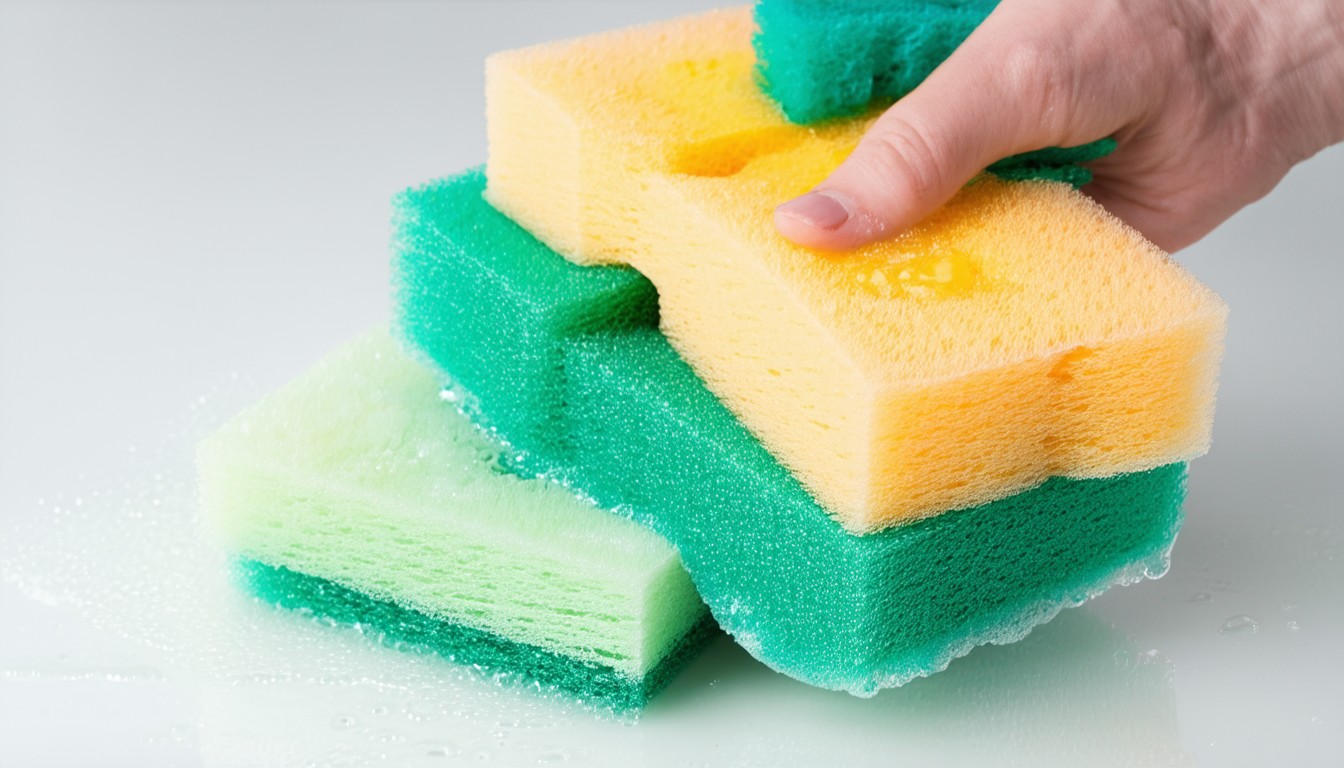
Kitchen sponges are essential tools for cleaning dishes, countertops, and appliances. Despite their usefulness, they are among the most germ-laden objects in a household. Researchers have repeatedly found that damp sponges, absorbing everything from crumbs to raw food particles, provide the ideal environment for bacteria, yeast, and mold to flourish. According to a study published in Scientific Reports, kitchen sponges can harbor more bacteria per square inch than a toilet seat—a stark warning for anyone who leaves theirs unchecked.
The risk is not only theoretical. The Centers for Disease Control and Prevention (CDC) emphasizes that sponges easily transfer harmful pathogens like Salmonella, E. coli, and Staphylococcus, increasing the potential for foodborne illness. Effective sanitization is not just about cleanliness; it’s a tangible step in protecting your household’s health.
Common Germs Found in Kitchen Sponges
A Microbial Hotspot
Multiple studies confirm that the primary threat comes from routine tasks—wiping, scrubbing, and storing. Research from NSF International revealed that more than 75% of kitchen sponges tested contained coliform bacteria, including strains linked to gastrointestinal infections.
Real-World Examples
Consider the case of a busy family who reuses a single sponge weekly with infrequent cleaning. Over several days, that sponge can develop a biofilm of thriving bacteria. Without sanitization, simply rinsing dishes spreads invisible risks to utensils and surfaces.
“Routine sponge sanitization is a critical food safety step, comparable to washing hands before meal prep,” notes Dr. Lisa Yakas, a microbiologist at NSF International.
Proven Methods for How to Sanitize Sponges
Different strategies vary in efficiency, convenience, and applicability to various sponge materials. Here’s a breakdown of methods verified by experts and supported by real-world usage.
1. Sanitizing in the Microwave
How It Works
Microwaving damp (never dry) sponges on high for one to two minutes can kill most bacteria. The heat penetrates the porous structure and destroys key microbial organisms.
Steps
- Soak the sponge completely with water (very important for safety).
- Place the wet sponge in the microwave.
- Heat on high power for one to two minutes.
- Allow the sponge to cool before handling.
Effectiveness
Microwaving is effective for non-metallic cellulose sponges. However, sponges with scrubbing pads containing metal or dense synthetic materials may not be suitable.
2. Soaking in Bleach Solution
A diluted bleach bath remains one of the most reliable options.
Procedure
- Mix one tablespoon of unscented household bleach into one gallon of water.
- Soak the sponge for at least five minutes.
- Rinse thoroughly to remove bleach residue.
Bleach solutions are widely recommended by public health authorities for neutralizing bacteria, viruses, and tough molds, offering broad-spectrum disinfection.
3. Cleaning in the Dishwasher
Running sponges through a hot dishwasher cycle with a heated dry setting is a convenient and hands-off approach.
- Place the sponge on the top rack.
- Select a sanitizing or high-heat cycle if available.
This method is particularly effective for people who run dishwashers regularly and want to minimize extra steps.
4. Vinegar and Hydrogen Peroxide
While less potent than bleach or microwaving, soaking sponges in white vinegar or hydrogen peroxide (undiluted) for at least five minutes offers natural antimicrobial benefits. These substances can help reduce common bacteria, though they may not eliminate as wide a range of pathogens.
Practical Do’s and Don’ts for Sponge Sanitization
Even with proper sanitization, sponges degrade and become less effective at cleaning.
Best Practices
- Sanitize regularly: Ideally, at least once daily if the sponge is heavily used.
- Dry thoroughly: Bacteria multiply in moist environments, so let sponges air dry completely after each use.
- Replace frequently: Even with cleaning, sponges should be replaced every 1-2 weeks for optimal hygiene.
Avoid These Mistakes
- Never use microwaving for sponges containing any metal.
- Avoid mixing bleach with ammonia or acidic cleaners to prevent toxic fumes.
- Don’t “sanitize” a dry sponge in the microwave—this can cause a fire.
When to Replace Your Sponge
No amount of cleaning can permanently remove biofilms or completely restore a heavily soiled or smelly sponge. Signs that it’s time for a new one include:
- Persistent odor, even after washing
- Visible deterioration or fragments falling apart
- Stains that won’t wash out
Many kitchen safety experts advocate erring on the side of caution and swapping sponges at the first signs of serious wear or persistent contamination.
Alternatives to Traditional Sponges
The market now includes options designed to be more hygienic by nature. Silicone scrubbers, antimicrobial sponges, and machine-washable cloths offer ways to avoid some pitfalls of traditional cellulose. Still, these substitutes require their own regular cleaning protocols.
Scenario: A Family’s 2-Week Test
In comparative testing, a household rotated between a traditional cellulose sponge and a silicone scrubber, cleaning both daily. The silicone option stayed odor-free longer, but required frequent attention to avoid soap scum buildup—highlighting that material alone doesn’t eliminate the need for routine disinfection.
Conclusion
Sanitizing sponges is a straightforward yet vital hygiene practice. Effective methods include microwaving, bleaching, or running sponges through a dishwasher, each with specific precautions. Even the best sanitizing routine is no substitute for regularly replacing old sponges and considering alternative, lower-risk cleaning tools. Staying vigilant helps minimize the everyday risk posed by one of the kitchen’s most deceptively dirty items.
FAQs
How often should I sanitize my kitchen sponge?
It’s best to sanitize your sponge at least once per day if you use it frequently, especially for tasks involving food residues or raw meat.
Can all sponges be sanitized in the microwave?
No, only non-metallic, cellulose-based sponges are safe for microwaving. Avoid putting any sponge with metallic scrub pads or synthetic foam in the microwave.
Is vinegar as effective as bleach for disinfecting sponges?
Vinegar can reduce bacteria, but bleach is generally more effective at eliminating a broad spectrum of pathogens commonly found in kitchen sponges.
When is it time to throw away a sponge rather than clean it?
If a sponge has a persistent bad odor, shows visible signs of wear, or is stained beyond cleaning, it’s safer to replace it rather than risk spreading germs.
Are antibacterial sponges safer than regular ones?
Antibacterial sponges may slow the growth of some microbes, but they are not a replacement for routine cleaning and replacement. Regular disinfecting remains essential.
What’s the safest sponge alternative for people with sensitive skin or allergies?
Silicone scrubbers or machine-washable microfiber cloths are good options, as they dry quickly and resist some common allergens, though they still need regular washing.











Leave a comment