

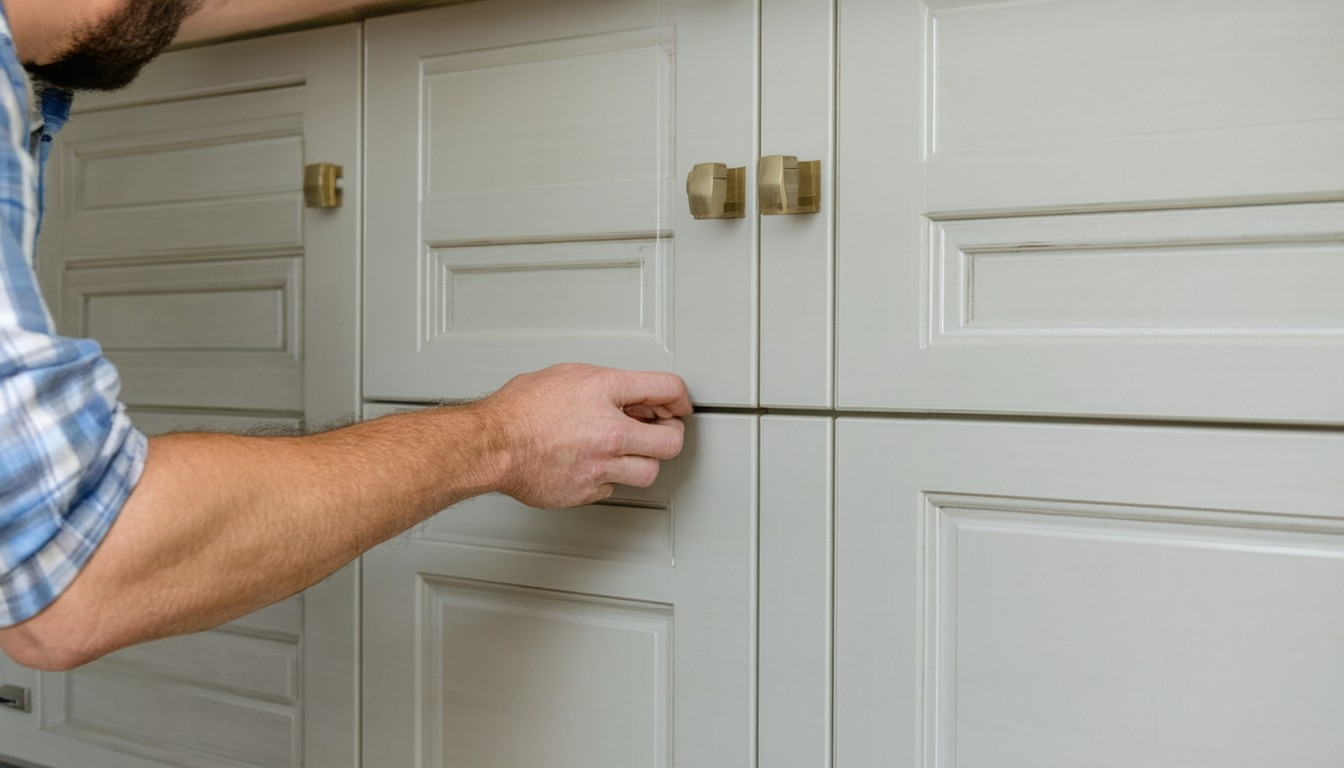
In contemporary home design, the smallest details often make the most significant difference. Cabinet handles—sometimes called pulls or knobs—are a prime example. These seemingly minor fixtures not only provide everyday functionality but also define the style and comfort of kitchens, bathrooms, and storage spaces. With the rise of DIY renovations and accessible home improvement materials, learning how to install cabinet handles has become an empowering, cost-effective way for homeowners to refresh their interiors without a major overhaul.
Preparing for Installation: Tools, Materials, and Planning
Completing a professional-looking handle installation begins long before the drill comes out. Start with a clear vision for the finished look: are you aiming for modern minimalism, rustic charm, or vintage flair? The style will guide your hardware selection. Next, assemble the essential tools and materials:
- Cabinet handles or knobs (ensure consistent style and sizing)
- A drill and appropriate bits
- A tape measure and ruler
- A pencil or marking tool
- A screwdriver (flathead or Phillips, as needed)
- A template or jig for consistent spacing (often provided with handle sets)
- Masking tape (to protect surfaces and prevent splintering)
Professionals often emphasize the importance of careful measurement and pre-drilling, especially with solid wood or painted cabinets. By planning meticulously, you minimize errors and visible blemishes.
Safety Considerations and Surface Protection
Always put safety first. Clear the area of loose items, wear protective eyewear, and use masking tape on delicate finishes to prevent unwanted chips.
Measuring and Marking: Ensuring Alignment and Aesthetics
Achieving uniformity is essential—uneven handles draw the eye for the wrong reasons. Begin by deciding on the height and position of your handles. On doors, handles are typically centered on the stile, with the bottom of the handle sitting about 2.5 to 3 inches from the bottom edge for base cabinets, or 2.5 to 3 inches from the top on wall cabinets. For drawers, centering the handle both vertically and horizontally is common practice unless a different style is desired.
To maintain precision:
- Use a template or make one from cardboard. This minimizes measuring errors from one cabinet to the next.
- Mark drilling points lightly with a pencil. Double-check each mark for accuracy.
- For multiple cabinets or drawers in a row, mark all before drilling to verify alignment.
Many professional installers recommend spacing all handles using the exact same method. As home improvement expert Linda Dorman explains:
“Consistency across cabinets is non-negotiable. Even a quarter-inch deviation between handles can make a beautifully renovated kitchen feel unfinished.”
Drilling Holes: Tips for a Clean, Professional Result
With markings set, you’re ready to drill. Select a drill bit that matches the screw size for your handles, usually 3/16-inch or 5mm. If you’re uncertain, drill a small pilot hole first and check for fit.
Steps for Drilling
- Use masking tape over your pencil mark to help prevent chipping on painted or delicate materials.
- Drill slowly to maintain control, especially as you break through the back of a cabinet or drawer face.
- Hold the drill perpendicular to the surface for a straight hole.
- For doors, insert a scrap wood block behind the drilling point to reduce blow-out.
After drilling, gently sand any rough edges around the hole. A clean edge will help the handle sit flush and look seamless.
Installing the Handles: Securing a Lasting Finish
With holes drilled and debris cleared, attach the handles using the screws provided. Start each screw by hand to avoid cross-threading or stripping. Tighten firmly—but not excessively, as overtightening can warp the hardware or damage the cabinet front. If the screw is too long (common with thinner cabinet faces), washers or shorter screws may be required for a secure fit.
Final Checks and Adjustments
Finish by closing and opening each door and drawer, checking that the handles feel solid and move smoothly. If any hardware feels loose or uneven, make minor adjustments before calling the job done.
Troubleshooting Common Issues
Even seasoned DIYers can face challenges during installation. Typical hurdles include:
- Misaligned holes: If holes are slightly off, slightly enlarge the opening with a round file and use a washer for stability, rather than forcing the handle into place.
- Surface splintering: Ensure masking tape is applied before drilling, and a sharp bit is used; gently sand any chips and touch up with matching paint.
- Mismatched screw lengths: Screws supplied with handles may not match all cabinet thicknesses. Hardware stores often sell packs of various lengths, and washers can serve as spacers in a pinch.
- Inherited or patched cabinets: In renovation scenarios, old holes may need filling with wood putty and sanding before new handles are installed.
Wrapping Up: Refreshing Spaces with DIY Confidence
Installing cabinet handles is a straightforward upgrade that delivers outsize impact. Whether revitalizing an outdated kitchen or adding the final touch to new cabinetry, a precise, well-executed handle installation elevates the overall look and usability of any storage area. Professional-minded planning, careful measurement, and proper tools are the keys to a polished finish that stands up over time.
“A perfectly installed handle is a detail that gives a kitchen its silent harmony. When everything lines up and feels right, you know a homeowner truly cares about their space,” reflects home designer Mike Sutherland.
FAQs
How do I decide where to place cabinet handles?
For doors, handles are typically installed 2.5 to 3 inches from the bottom (on base cabinets) or from the top (on wall cabinets), centered on the stile. For drawers, centering the handle both vertically and horizontally is standard, although personal preference and style may lead to variations.
What if I make a mistake drilling a hole?
Small mistakes can often be fixed by filling the hole with wood filler or putty. Once dry and sanded, the area can be repainted and re-drilled as needed.
Can I install cabinet handles without a power drill?
While possible, using a screwdriver instead of a drill is much slower and can be difficult, especially with hardwood cabinets. A drill is strongly recommended for accuracy and efficiency.
How do I ensure handles are straight on multiple cabinets?
Using a template or cabinet hardware jig guarantees consistent placement from one cabinet or drawer to the next. Always mark all locations before drilling and step back to visually confirm alignment.
What tools are absolutely necessary for this project?
Essential tools include a drill with bits, tape measure, pencil, screwdriver, and typically a template or jig for accurate spacing. Masking tape is also useful to prevent damage to surfaces when drilling.












Leave a comment