

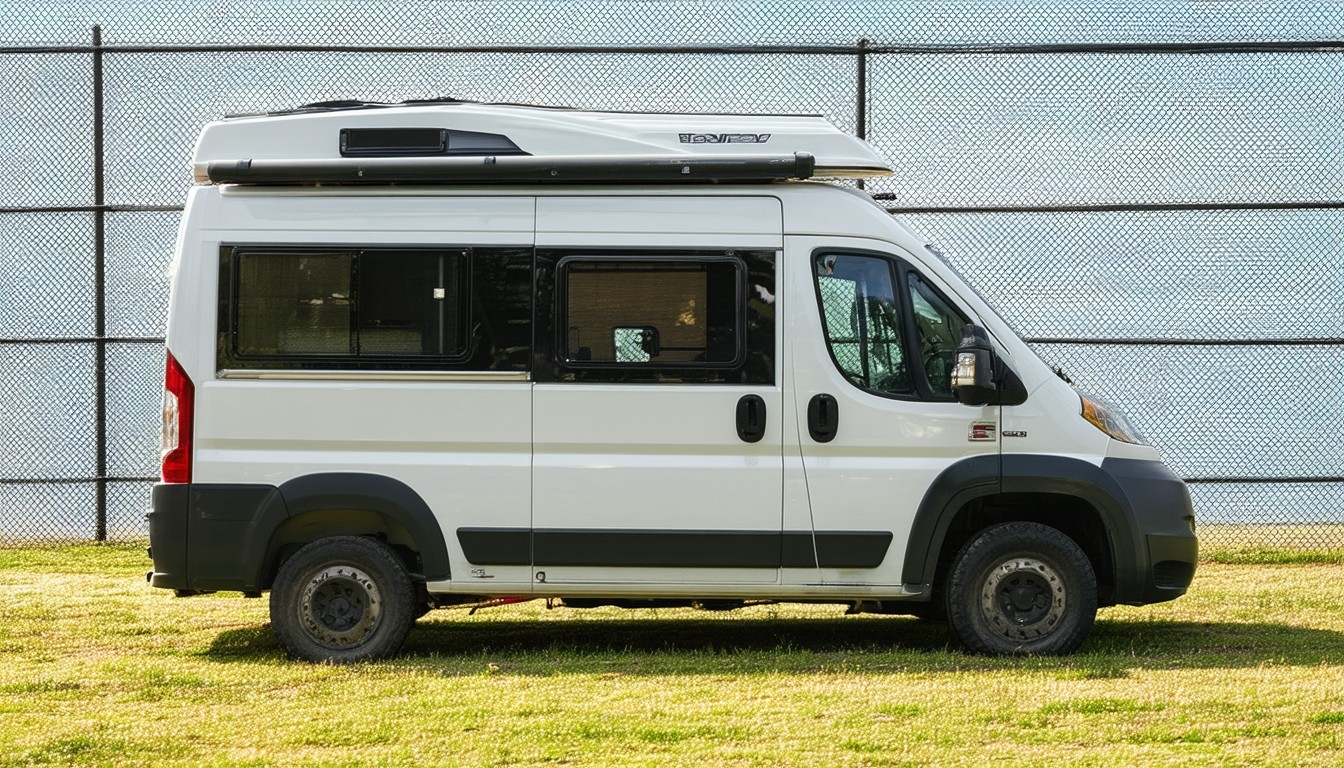
The modern appetite for adventure travel and van life has fueled remarkable growth in the small camper van segment. Unlike their bulkier RV counterparts, compact camper vans combine nimble handling with surprising interior functionality—a blend coveted by solo travelers, couples, and even small families seeking freedom without sacrificing mobility. As urban parking gets tighter and fuel efficiency becomes ever more important, small camper vans have emerged as the top choice for wanderers who crave flexibility with their comfort.
What Sets Small Camper Vans Apart?
Small camper vans typically refer to vehicles built on short-wheelbase chassis, often stemming from popular vans like the Mercedes-Benz Metris, Ram ProMaster City, Ford Transit Connect, and the ever-iconic Volkswagen Transporter. These platforms allow upfitters and manufacturers to maximize every square inch, providing essentials like sleeping quarters, compact kitchenettes, and flexible storage.
Benefits of Small-Scale Travel
- Better Maneuverability: Glide through city streets, mountain switchbacks, or busy campgrounds easily.
- Improved Fuel Economy: Smaller size usually means lighter weight, cutting fuel costs and emissions.
- Parking and Accessibility: Fit into standard parking spaces and under most city height restrictions, which is uncommon for big RVs.
- Lower Cost of Ownership: Both initial outlay and ongoing maintenance costs are typically lower than large Class B or C motorhomes.
Beyond their practical appeal, small camper vans offer an ethos of “less is more”—travelers embrace purposeful downsizing and the joy of spontaneous travel routes.
Top Picks: The Best Small Camper Vans for 2024
In response to surging demand, manufacturers and custom builders have diversified offerings. While the perfect van depends on individual needs and budgets, several models consistently win accolades from adventurers and industry experts alike.
Winnebago Solis Pocket
Balancing value, smart design, and recognized reliability, the Winnebago Solis Pocket remains a darling of the compact van segment. Based on the Ram ProMaster chassis, this van measures under 18 feet in length but packs in a rear Murphy bed, convertible dinette, and a workable galley.
“The Solis Pocket proves small doesn’t mean spare—you get big functionality in a truly compact package,” notes vanlife consultant Jesse Klein.
With flexible interior layouts and industry-leading build quality, the Solis Pocket appeals to both new van owners and those downsizing from larger rigs.
Storyteller Overland MODE LT
Those seeking a plug-and-play adventure platform praise the Storyteller Overland MODE LT. Built on a Ford Transit chassis, it stands out for its all-weather insulation, off-grid electrical systems, and quick-change bed-to-workspace options. Geared toward the tech-forward explorer, the MODE offers lithium power, solar input, and abundant USB outlets—ideal for digital nomads craving off-grid productivity.
Mercedes-Benz Metris Weekender
For urbanites and weekend warriors, the Metris Weekender taps into heritage, channeling the classic pop-top camper vibe. Fully furnished by upfitters like Peace Vans, it delivers a sleeping loft, slide-out kitchen, and subtle styling. The relatively low-profile design makes it especially suitable for stealth camping or squeezing into city parking.
Recon Campers ENVY
Recon Campers’ ENVY, based on the Nissan NV200, is beloved for its ultra-compact dimensions and modular approach. Perfect for solo travelers or couples, it offers convertible seating, a pop-top sleeper, and thoughtfully integrated storage.
Other Notable Models
- Ford Transit Connect-based conversions: Ultra-compact, affordable, and favored for their car-like drivability.
- Volkswagen California (Europe): A cult favorite not yet available in North America, celebrated for its refined engineering and innovative space-saving features.
Essential Features for Compact Adventure
Choosing the best small camper van is about trade-offs. Prioritizing certain amenities over others often defines the onboard experience.
Sleep Systems: Maximizing Comfort in Small Spaces
Innovative sleep solutions—like Murphy beds, slide-out platforms, or pop-top roofs—turn daytime lounges into snug nighttime retreats. Some vans, like the Winnebago Solis Pocket and Mercedes-Benz Metris Weekender, feature rooftop sleeping lounges, creating a dual-zone feel.
Kitchen and Bath Options
Few small vans include full bathrooms due to space constraints. Instead, most opt for portable toilets, outdoor showers, and compact galley kitchens with induction cookers or portable stoves. Water supply is usually limited to five or 10 gallons, encouraging smart conservation and regular resupplies during long trips.
Storage: Clever Solutions for Gear
Smart storage elevates small camper vans from minimalist to livable. Swiveling seats, under-bed bins, overhead cubbies, and modular racks are increasingly standard, especially in custom builds. Some models enable “garage mode,” where a rear bed flips up to accommodate bikes, paddleboards, or adventure gear.
Off-Grid Capability
Solar panels, lithium battery systems, and high-efficiency diesel or propane heaters turn compact campers into year-round, off-grid rigs. While larger vans have more space for batteries and water, a growing market of portable gear (think solar generators and collapsible camp sinks) has closed the gap for weekend adventurers.
Trends in Compact Camper Van Popularity
Industry observers note striking shifts post-2020: as remote work became mainstream and domestic travel surged, small camper vans saw double-digit percentage growth in sales and web searches. Social media and popular YouTube channels fueled this growth, with countless Americans and Europeans sharing micro-camping set-ups and DIY van conversions.
For many, small camper vans represent a middle ground between #vanlife minimalism and the comforts of home. Rental companies, too, have caught on—major platforms now list compact vans to meet the spike in interest from first-time users who want to “try before they buy.”
Real-World Scenario: A Couple’s Transition to a Small Camper Van
Consider Tom and Priya, two graphic designers who shifted from a large Class B motorhome to a Ford Transit Connect-based camper during the pandemic. They found that while they gave up a standing-height shower and full-sized fridge, they gained the ability to stealth-camp in city centers, save on fuel, and park in tight trailhead lots. This pivot illustrated a core truth of compact van travel: less fuss, and more flexibility.
Weighing the Pros and Cons
While the best small camper vans are versatile, they do demand some sacrifices. For extended, all-weather trips or larger families, a compact van’s limited space and amenities may not suffice. But for singles, couples, or efficient packers, the benefits—ease of travel, reduced costs, and spontaneity—can easily outweigh the trade-offs. Choosing the right model hinges on balancing day-to-day utility with adventure ambitions.
Conclusion: Finding Your Ideal Small Camper Van
Small camper vans have helped redefine adventure travel, inviting both seasoned explorers and curious newcomers to embrace a spirit of mobility and simplicity. Key considerations include sleep and storage needs, off-grid capabilities, and whether you prioritize city access or rugged isolation. As the market expands, there’s never been a better time to find a compact camper van that matches your travel style and budget.
FAQs
What is considered a small camper van?
A small camper van typically measures 16–20 feet in length and is built on compact cargo van chassis. These vehicles prioritize maneuverability and fuel efficiency while providing core living amenities.
Can you live full-time in a small camper van?
Many people do live full-time in small camper vans, though it requires embracing minimalism and strategic organization. Long-term comfort depends on personal needs and how well the van’s features align with your daily habits.
How much does a new small camper van cost?
Prices for new small camper vans generally range from $40,000 to $90,000, depending on features, customizations, and brand. Used models or DIY conversions can be more affordable.
Are small camper vans good for families?
Small camper vans are best suited for singles, couples, or small families with young children due to limited space and sleeping areas. For larger groups or growing kids, upgrading to a bigger van or trailer may offer more comfort.
Do small camper vans have bathrooms?
Most compact models do not have full bathrooms due to space limitations. Instead, portable toilets and outdoor showers are common, though a handful of creative designs offer compact wet baths.
Which small camper van is best for off-grid adventures?
Models with robust solar setups, lithium batteries, and efficient heating systems—like the Storyteller Overland MODE LT—are ideal for off-grid camping. Customizations can enhance off-grid capability in most small vans.











Leave a comment