

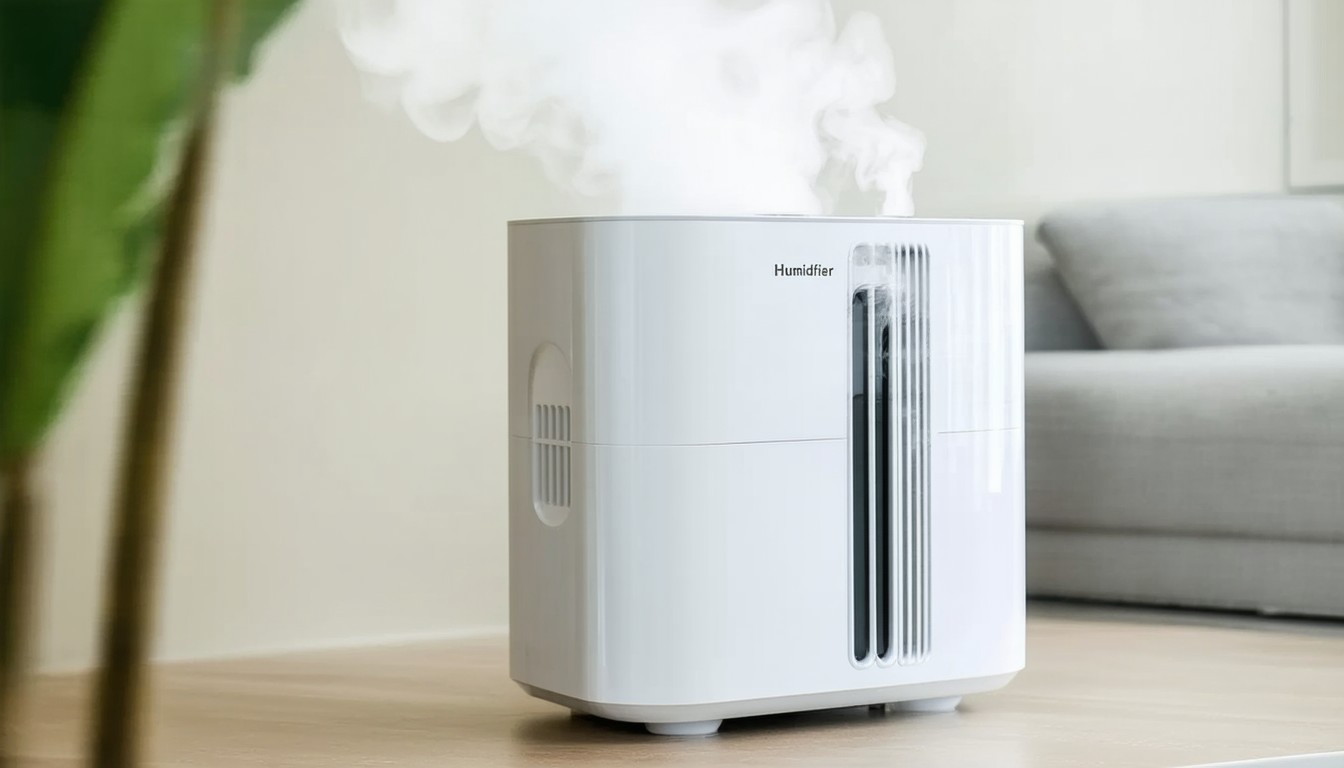
As home environments become increasingly optimized for health and comfort, humidifiers have evolved into an essential fixture. These devices help maintain optimal humidity levels, soothe respiratory discomfort, and protect against the negative effects of dry air. Yet, without regular maintenance—especially descaling—even top-of-the-line humidifiers are susceptible to mineral buildup, decreased performance, and even bacterial contamination.
Descaling isn’t just about preserving your appliance. According to manufacturers, mineral deposits from hard water are a primary cause of malfunctions and reduced lifespan in many household humidifiers. Ignoring buildup can also release unhealthy particles into the air, potentially complicating issues for allergy and asthma sufferers.
Understanding Mineral Buildup in Humidifiers
When tap water is used in humidifiers, minerals like calcium and magnesium are left behind as white, crusty scale on key components. In areas with hard water, this process accelerates, causing trouble for ultrasonic, evaporative, and warm mist models alike.
Beyond impacting performance, scale deposits provide a haven for bacteria and mold. According to the Environmental Protection Agency (EPA), “unmaintained humidifiers can support the growth and dispersal of microorganisms” if not regularly cleaned and descaled.
“Hard water scale not only dampens your humidifier’s efficiency, but it can also disperse fine mineral dust into the air—something to be especially aware of in homes with kids or those with respiratory sensitivities.”
— Dr. Lily Chen, Indoor Air Quality Specialist
How to Descale a Humidifier: Practical Steps
Descaling a humidifier is a straightforward but critical task. Performing it every one to two weeks—especially in hard water regions—ensures cleaner air and better device longevity. The steps below provide an adaptable framework for most household humidifiers.
Step 1: Power Down and Empty the Unit
- Unplug your humidifier for safety.
- Remove and empty the water tank and base, discarding any old or stagnant water.
Step 2: Disassemble and Prep for Cleaning
- Take apart removable components: tank, wick or filter, tray, and any detachable covers.
- Consult the user manual for parts that should not be immersed or exposed to certain cleaning agents.
Step 3: Descale with Vinegar or a Specialist Solution
- White vinegar is a classic, manufacturer-approved option for loosening mineral scale.
- Fill the base with undiluted vinegar (or use a commercial descaler recommended by your humidifier’s brand).
- Let the solution sit for 20–30 minutes to dissolve stubborn deposits.
Step 4: Scrub and Rinse
- Use a soft brush or cloth to gently scrub any visible scale, taking care not to damage internal parts.
- For tight spaces, a toothbrush or cotton swab is effective.
- Rinse all parts thoroughly with clean water to remove residue and odor.
Step 5: Reassemble and Dry
- Air-dry each component completely before reassembly to discourage mold growth.
- Wipe exterior surfaces with a damp cloth as needed.
Beyond these core actions, some humidifiers—especially ultrasonic and combination units—may have unique cleaning needs. Always refer to the manufacturer’s care guide.
Step 6: Routine Filter Replacement
- For models with a wick or HEPA filter, check and replace per manufacturer schedule (usually every 1–3 months).
- Neglecting this step can render other maintenance efforts far less effective.
Real-World Scenario: The Impact of Regular Descaling
Consider the experience of a suburban family relying on a mid-sized ultrasonic humidifier through a harsh winter. After skipping regular cleaning, the parents notice fine white dust settling around the nursery and increased coughing in their young child. Switching to distilled water mitigates new scale, but it’s not until they begin monthly descaling that the dust disappears and the humidifier works like new. This scenario, common in online forums and reviews, underscores the tangible benefits of establishing a descaling regimen.
Pro Tips and What to Avoid
Do:
- Use distilled or demineralized water whenever possible.
- Mark a calendar reminder to descale based on usage (high-use in winter may require weekly attention).
- Check for specific solutions authorized by your humidifier manufacturer.
Don’t:
- Use harsh chemicals or bleach unless specifically recommended—these can degrade plastic and release harmful fumes.
- Leave standing water in the tank when not in use, as stagnant moisture is a prime breeding ground for mold.
Signs It’s Time to Descale
- Noticeable decrease in mist output
- Fine white dust on nearby furniture
- A chalky film inside the tank/base
- Musty or metallic odor during operation
- Repeated filter clogging
If any of these symptoms arise, immediate descaling is recommended for both appliance health and indoor air quality.
Health and Performance Implications
A neglected humidifier can do more than underperform. Several studies have linked poor maintenance to airborne irritants, while the EPA warns that “humidifiers can release materials that may pose risks for sensitive groups if not regularly cleaned and descaled.” For families with young children, elderly, or immune-compromised members, diligence in care is especially important.
Distilled water goes a long way in diminishing mineral buildup. However, even with this precaution, routine descaling remains pivotal—especially as no humidifier is entirely immune to biofilm and contamination risks.
Conclusion: Routine Descaling Ensures Healthier Air and Longer Device Life
Regular descaling is a non-negotiable best practice for anyone looking to maximize the benefits of a humidifier. Simple household vinegar, paired with basic cleaning supplies, can help keep appliances running efficiently, extend their usable lifespan, and foster safer home environments. Establishing a cleaning calendar, using high-quality water, and responding swiftly to signs of scale or mold are all part of responsible humidifier ownership.
In a world where air quality concerns are increasingly relevant, just a bit of routine care pays off with consistent comfort and peace of mind.
FAQs
How often should I descale my humidifier?
Descale your humidifier at least once every one to two weeks, especially if you use tap or hard water. If you run it daily or live in a hard water area, weekly maintenance is ideal.
Can I use vinegar to descale my humidifier?
Yes, white vinegar is commonly recommended for breaking down mineral deposits in humidifiers. Avoid using harsh chemicals unless your device’s manufacturer specifically recommends them.
What are the risks of not descaling a humidifier?
Failing to descale a humidifier can result in decreased performance, the release of minerals or contaminants into the air, and increased risk of mold and bacteria growth. This can negatively impact both your device and your indoor air quality.
Is distilled water better for reducing scale buildup?
Using distilled or demineralized water significantly reduces, but doesn’t completely eliminate, scale buildup. It’s still important to clean and descale your humidifier regularly.
Are commercial humidifier cleaners better than vinegar?
Both approaches are effective; commercial products are formulated for efficiency and may reduce odor, while vinegar is budget-friendly and widely endorsed. Always check your manufacturer’s advice before choosing a cleaning solution.
Can I prevent scale buildup entirely?
While you can lessen mineral buildup by using distilled water and cleaning your humidifier frequently, it’s nearly impossible to prevent it altogether. Stay proactive with regular descaling and maintenance to minimize problems.











Leave a comment